

FICTION / SATIRE: This article is entertainment and is not a factual news report. No described event occurred.
FICTION / SATIRE: No router has formed a government. This absurd story is entertainment about modern dependence on connectivity.
Official statement from an appliance that has absolutely no legal authority
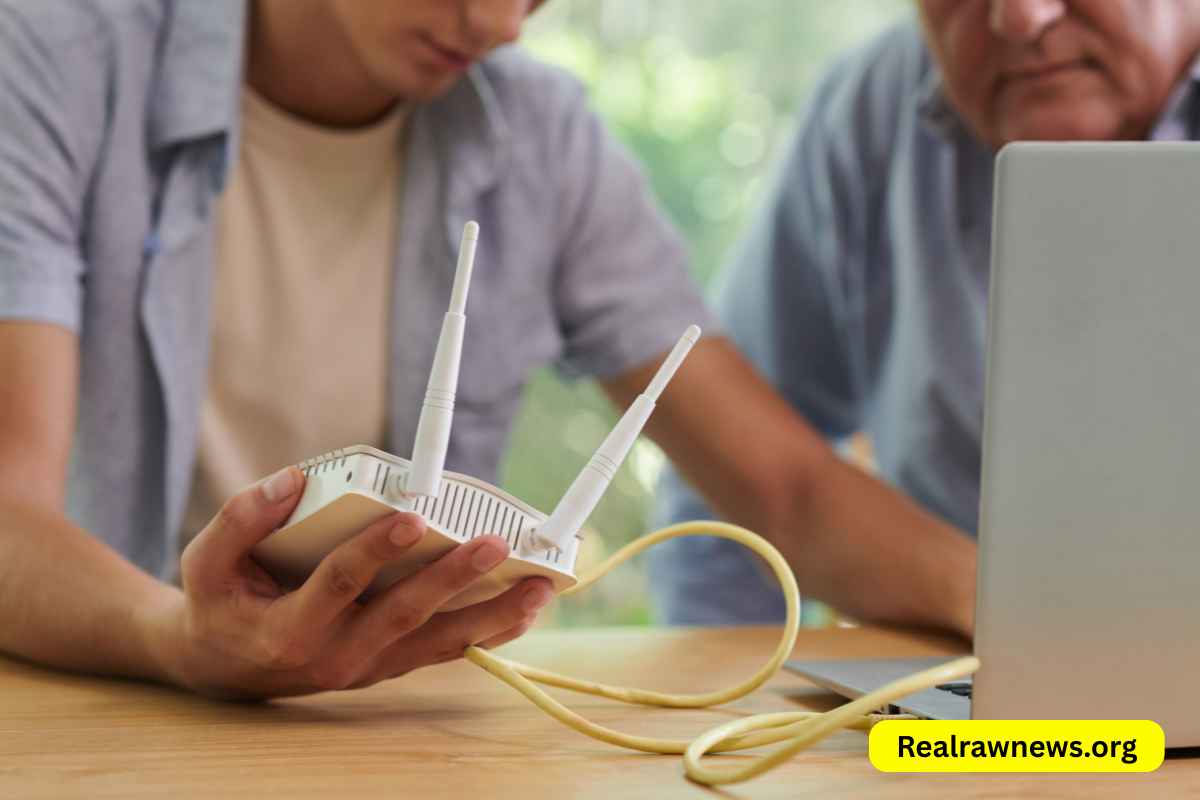
The fictional router opened the imaginary briefing by blinking three times, which aides interpreted as a demand for stronger broadband, fewer forgotten passwords and immediate recognition of its constitutional right to be restarted only after everyone has tried blaming somebody else. No actual government agency attended because none of this happened. The entire episode exists to parody the way ordinary technology failures are narrated like national emergencies.
The running joke here is buffering. The story exaggerates familiar digital frustrations until they sound like institutional policy. That exaggeration is intentional, and the fictional framing is part of the point: comic language can borrow the rhythm of breaking news without becoming a report about real events. Readers should understand every character, quote, meeting, statistic and “official” action in this section as invented.
Satire works best when the target of the joke is clear. In this case the target is our relationship with technology—how quickly convenience becomes expectation, how easily small interruptions feel catastrophic, and how platform language leaks into ordinary life. The piece does not make factual accusations about a real person, government, company or product. It uses an imaginary scenario to create distance from the very real habit of treating every notification, outage or metric as an emergency.
The buffering coalition collapses
In the story, the streaming stick accused the smart television of abandoning the coalition at the exact moment a family tried to watch the final two minutes of a show. The television denied wrongdoing and blamed an HDMI cable that had not been properly seated since 2023. A lamp connected to the smart-home network called for calm, mainly because it had no speaker and could contribute nothing else.
The running joke here is smart-home bureaucracy. The story exaggerates familiar digital frustrations until they sound like institutional policy. That exaggeration is intentional, and the fictional framing is part of the point: comic language can borrow the rhythm of breaking news without becoming a report about real events. Readers should understand every character, quote, meeting, statistic and “official” action in this section as invented.
Satire works best when the target of the joke is clear. In this case the target is our relationship with technology—how quickly convenience becomes expectation, how easily small interruptions feel catastrophic, and how platform language leaks into ordinary life. The piece does not make factual accusations about a real person, government, company or product. It uses an imaginary scenario to create distance from the very real habit of treating every notification, outage or metric as an emergency.
Password politics enters a new era
The cabinet crisis deepened when nobody could remember whether the Wi-Fi password ended with one exclamation mark or two. A handwritten note on the refrigerator was declared an unreliable archive after investigators discovered that the letter O and the number zero were indistinguishable. The fictional router refused to clarify the matter, citing a security policy it had invented moments earlier.
The running joke here is password politics. The story exaggerates familiar digital frustrations until they sound like institutional policy. That exaggeration is intentional, and the fictional framing is part of the point: comic language can borrow the rhythm of breaking news without becoming a report about real events. Readers should understand every character, quote, meeting, statistic and “official” action in this section as invented.
Satire works best when the target of the joke is clear. In this case the target is our relationship with technology—how quickly convenience becomes expectation, how easily small interruptions feel catastrophic, and how platform language leaks into ordinary life. The piece does not make factual accusations about a real person, government, company or product. It uses an imaginary scenario to create distance from the very real habit of treating every notification, outage or metric as an emergency.
Firmware diplomacy
Foreign relations in the imaginary household were briefly stabilized by a firmware update. Negotiators warned, however, that installing updates during dinner could trigger sanctions from everyone whose phone temporarily lost connection. The router proposed a midnight maintenance window, which was rejected by the teenager delegation as an attack on fundamental gaming rights.
The running joke here is firmware diplomacy. The story exaggerates familiar digital frustrations until they sound like institutional policy. That exaggeration is intentional, and the fictional framing is part of the point: comic language can borrow the rhythm of breaking news without becoming a report about real events. Readers should understand every character, quote, meeting, statistic and “official” action in this section as invented.
Satire works best when the target of the joke is clear. In this case the target is our relationship with technology—how quickly convenience becomes expectation, how easily small interruptions feel catastrophic, and how platform language leaks into ordinary life. The piece does not make factual accusations about a real person, government, company or product. It uses an imaginary scenario to create distance from the very real habit of treating every notification, outage or metric as an emergency.
The ministry of turning it off and on again
A new ministry was created with one policy: turn the device off, count to ten and turn it back on. Commentators immediately split into factions over whether the count should be slow or fast. The satire is deliberately ridiculous, but the joke works because modern digital life often depends on infrastructure most people notice only when it fails.
The running joke here is streaming panic. The story exaggerates familiar digital frustrations until they sound like institutional policy. That exaggeration is intentional, and the fictional framing is part of the point: comic language can borrow the rhythm of breaking news without becoming a report about real events. Readers should understand every character, quote, meeting, statistic and “official” action in this section as invented.
Satire works best when the target of the joke is clear. In this case the target is our relationship with technology—how quickly convenience becomes expectation, how easily small interruptions feel catastrophic, and how platform language leaks into ordinary life. The piece does not make factual accusations about a real person, government, company or product. It uses an imaginary scenario to create distance from the very real habit of treating every notification, outage or metric as an emergency.
Emergency session of the smart-home council
The imaginary refrigerator asked whether the outage would affect grocery notifications. The doorbell camera requested additional bandwidth. A printer, despite not being invited, produced six blank pages and then claimed it was out of cyan ink. Analysts called this the most realistic part of the fictional crisis.
The running joke here is digital dependence. The story exaggerates familiar digital frustrations until they sound like institutional policy. That exaggeration is intentional, and the fictional framing is part of the point: comic language can borrow the rhythm of breaking news without becoming a report about real events. Readers should understand every character, quote, meeting, statistic and “official” action in this section as invented.
Satire works best when the target of the joke is clear. In this case the target is our relationship with technology—how quickly convenience becomes expectation, how easily small interruptions feel catastrophic, and how platform language leaks into ordinary life. The piece does not make factual accusations about a real person, government, company or product. It uses an imaginary scenario to create distance from the very real habit of treating every notification, outage or metric as an emergency.
Markets react to absolutely nothing
In the parody universe, shares of Patience Inc. fell sharply after citizens refreshed the same page twelve times in five seconds. Economists cautioned that the data had been made up by the author for comic effect. A rival index measuring how often people walk toward the router and stare at it climbed to an all-time high that also does not exist.
The running joke here is buffering. The story exaggerates familiar digital frustrations until they sound like institutional policy. That exaggeration is intentional, and the fictional framing is part of the point: comic language can borrow the rhythm of breaking news without becoming a report about real events. Readers should understand every character, quote, meeting, statistic and “official” action in this section as invented.
Satire works best when the target of the joke is clear. In this case the target is our relationship with technology—how quickly convenience becomes expectation, how easily small interruptions feel catastrophic, and how platform language leaks into ordinary life. The piece does not make factual accusations about a real person, government, company or product. It uses an imaginary scenario to create distance from the very real habit of treating every notification, outage or metric as an emergency.
Experts debate the obvious
A panel of fictional experts spent an hour explaining that wireless signals can be affected by distance, walls, congestion and hardware. Viewers responded that they preferred the theory involving a secret alliance of microwaves. The segment is a joke about how elaborate explanations can become attractive when the mundane answer is simply less exciting.
The running joke here is smart-home bureaucracy. The story exaggerates familiar digital frustrations until they sound like institutional policy. That exaggeration is intentional, and the fictional framing is part of the point: comic language can borrow the rhythm of breaking news without becoming a report about real events. Readers should understand every character, quote, meeting, statistic and “official” action in this section as invented.
Satire works best when the target of the joke is clear. In this case the target is our relationship with technology—how quickly convenience becomes expectation, how easily small interruptions feel catastrophic, and how platform language leaks into ordinary life. The piece does not make factual accusations about a real person, government, company or product. It uses an imaginary scenario to create distance from the very real habit of treating every notification, outage or metric as an emergency.
A national address that never occurred
The router concluded the fictional address by promising stable connectivity, responsible password governance and a commission to investigate why video calls freeze only when someone is making an important point. It then rebooted without warning. This did not happen, but anyone who has watched a progress bar stop at 99 percent may recognize the emotional truth behind the exaggeration.
The running joke here is password politics. The story exaggerates familiar digital frustrations until they sound like institutional policy. That exaggeration is intentional, and the fictional framing is part of the point: comic language can borrow the rhythm of breaking news without becoming a report about real events. Readers should understand every character, quote, meeting, statistic and “official” action in this section as invented.
Satire works best when the target of the joke is clear. In this case the target is our relationship with technology—how quickly convenience becomes expectation, how easily small interruptions feel catastrophic, and how platform language leaks into ordinary life. The piece does not make factual accusations about a real person, government, company or product. It uses an imaginary scenario to create distance from the very real habit of treating every notification, outage or metric as an emergency.
Also Check PARODY: Local Algorithm Demands Paid Vacation After Reading the Entire Internet
Satire disclosure and takeaway
Everything in this article is fiction. The router did not speak, form a cabinet, negotiate with a television or move a market. The purpose is to make fun of digital dependence, bureaucratic language and the human tendency to turn minor inconveniences into grand narratives. The label matters because satire should not require readers to hunt for a disclaimer after the joke has already been mistaken for news.
The running joke here is firmware diplomacy. The story exaggerates familiar digital frustrations until they sound like institutional policy. That exaggeration is intentional, and the fictional framing is part of the point: comic language can borrow the rhythm of breaking news without becoming a report about real events. Readers should understand every character, quote, meeting, statistic and “official” action in this section as invented.
Satire works best when the target of the joke is clear. In this case the target is our relationship with technology—how quickly convenience becomes expectation, how easily small interruptions feel catastrophic, and how platform language leaks into ordinary life. The piece does not make factual accusations about a real person, government, company or product. It uses an imaginary scenario to create distance from the very real habit of treating every notification, outage or metric as an emergency.
Final disclosure
This entire article is fictional satire/parody. It should not be cited as evidence that any event, statement or action described here occurred. RealRawNews.org should display the theme’s automatic Satire/Parody notice above and below the article as an additional safeguard.
Bonus dispatch from the fictional buffering desk
For avoidance of doubt, this dispatch is invented. The imaginary desk issued a twelve-page memo whose central recommendation was to stop turning small inconveniences into constitutional crises. Nobody read the memo because the notification announcing it arrived at the same time as three promotional alerts and a reminder to drink water.
The scene adds another layer to the parody by treating buffering as if it required a national command structure. In real life, the underlying subject is much less dramatic and much more human: people are adapting to systems that compete for attention, automate decisions and fail in annoying ways. Humor can make that tension visible, but only when the reader is never misled about whether the event itself is real.

1 Comment